How to Make a Monthly Budget From Real Spending
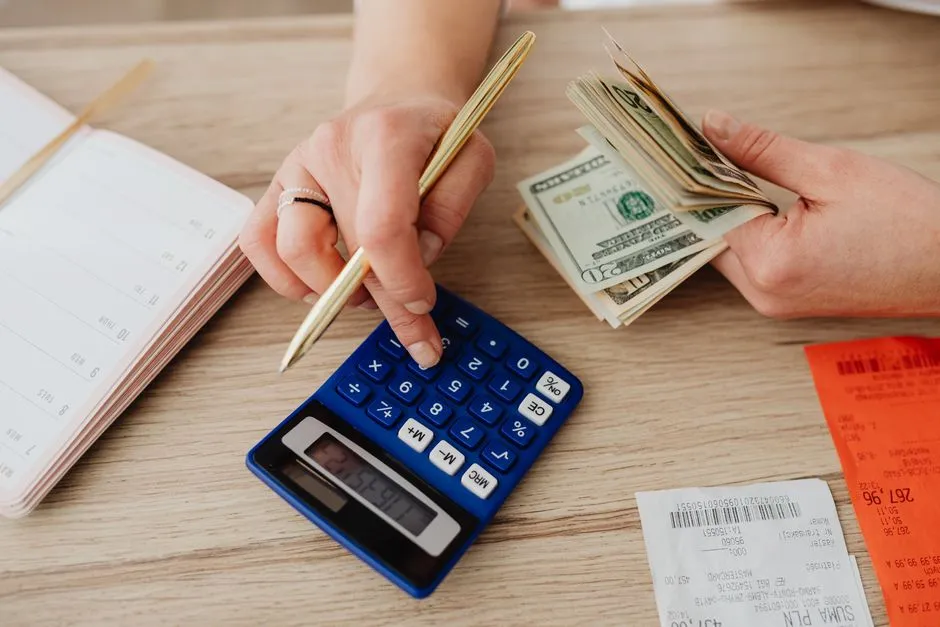
How do you make a monthly budget?
To make a monthly budget, list the income you expect to receive, then list fixed bills, variable spending, less-frequent expenses, debt payments, and planned savings. Subtract total outflows from total income. Use recent statements and bills rather than ideal estimates, add due dates to reveal timing gaps, and compare the plan with what actually happened.
This is an independent publication, not a bank. It offers education only, no accounts, services, product recommendations, or personal financial advice. Individual decisions belong with an appropriately licensed financial adviser.
Start with money that actually arrives
Record take-home pay and other income you reasonably expect during the month. Include the amount and arrival date. If income varies, do not silently replace a range with its best month. Keep uncertainty visible and revise the plan when the amount is known.
The Consumer Financial Protection Bureau (CFPB) monthly-budget tool uses a direct sequence: list income, list expenses, and subtract total spending from total income. The arithmetic is the frame; accurate inputs do the real work.
Build an as-is expense list
Start with recent bank, card, and bill records. Group spending in labels you can consistently recognize:
- housing and utilities;
- food and household supplies;
- transport;
- health, education, and care costs;
- communication services;
- minimum debt payments;
- regular savings;
- other actual spending.
Do not edit the first draft to resemble the month you wish you had. CFPB's assess-your-spending guide recommends an “as-is” budget and checking several months for less-frequent expenses.
Bring irregular expenses into view
Annual insurance, school costs, seasonal bills, repairs, travel, and gifts can disappear from a one-month snapshot. Look back far enough to identify costs that recur without arriving monthly. Record the expected amount and date rather than calling every nonmonthly bill an emergency.
A planned-expense category can become a sinking fund. Our comparison of an emergency fund and sinking fund explains why those labels serve different jobs. The Saving Plans section keeps targets separate from product selection.
Calculate the monthly result
Use one equation:
total income - total planned outflows = planned remainder
Example: if income is $3,200 and all planned outflows total $3,075, the remainder is $125 because $3,200 - $3,075 = $125. This is arithmetic only, not a recommended income, spending plan, or savings target.
If the result is negative, verify every number and date first. Then distinguish essential costs, contractual payments, and adjustable spending. Choosing which payment to delay, which debt to use, or how to handle a legal obligation is consequential and situation-specific. Use the current creditor or benefit program information and qualified nonprofit credit counseling or licensed advice as relevant.
Add a bill calendar
A monthly total can look balanced while cash arrives after a bill is due. CFPB's bill-calendar guide recommends recording what each bill is for, its amount, and its due date, then checking the calendar regularly.
Map income dates on the same page. That shows whether the issue is the monthly total, timing within the month, or both. Do not assume a lender, utility, or landlord will change a due date; ask the provider and obtain any agreement in writing.
Reconcile plan and reality
During the month, compare actual spending with the plan. After the month closes, total each category and compare the calculated remainder with the real account position. If they differ, look for omitted cash spending, fees, refunds, transfers, or a timing error.
The next budget should use what you learned. A budget is a working record, not a test of character. Preserve the facts, correct the categories, and keep the arithmetic visible.
Sources
- CFPB, Monthly Budget — opened September 3, 2026; supports the income-minus-spending worksheet structure.
- CFPB, Assess Your Spending — modified December 12, 2024; supports the as-is budget, statement check, savings line, and less-frequent-expense review.
- CFPB, Bill Calendar — modified June 25, 2026; supports recording bill purpose, amount, due date, and reviewing the calendar.